Product details description
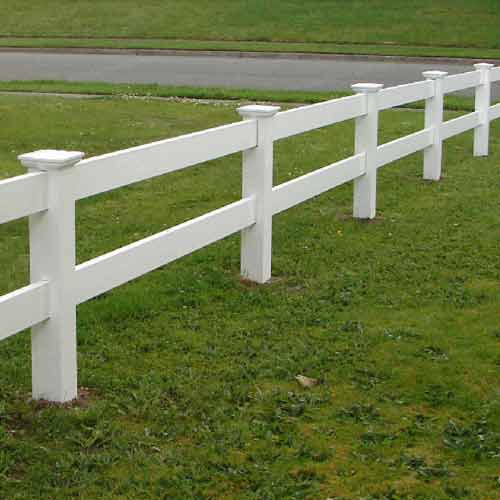
Split rail fences are a quintessential feature of the American rural
landscape, serving both practical and aesthetic purposes on farms and ranches.
Their simple construction—typically consisting of timber posts inserted into the
ground with horizontal rails stacked between them—makes them incredibly
versatile for agricultural use. Unlike other fencing types that require
extensive labor and materials to install, split rail fences are cost-effective
and easy to deploy over large acreage. They have been used for centuries to
manage livestock and define property boundaries in a way that blends with the
natural environment.
One of the primary agricultural applications of split rail fencing is
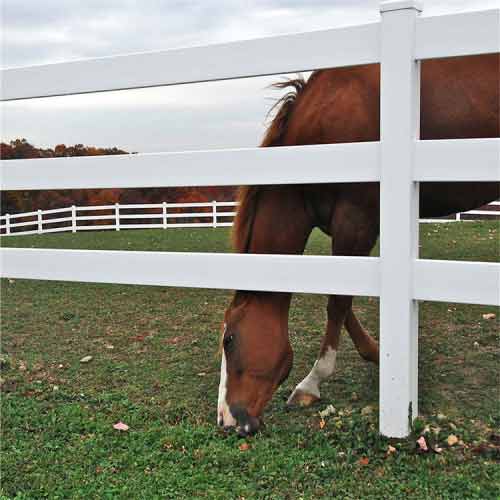
livestock management. While these fences are not designed to contain small
animals or poultry, they are highly effective for containing large livestock
such as cattle and horses. The wide spacing between the rails and the
substantial height of the fence prevent these animals from jumping out or
pushing through. For cattle ranchers, split rail fences provide a durable
barrier that withstands the daily pressure of rubbing and leaning. If tighter
containment is needed for smaller animals, farmers can easily attach wire mesh
or electric fencing to the interior side of the split rail, combining strength
with flexibility.
Another significant use is the demarcation of property boundaries. In rural
areas where farms can span hundreds or thousands of acres, clearly marking
property lines is essential to avoid disputes with neighbors. Split rail fences
are ideal for this because they are visible and clearly indicate a boundary
without completely blocking the view. This open design allows farmers to see
their entire property at a glance, maintaining a sense of openness while clearly
establishing legal limits. The rustic appearance of the wood also complements
the natural surroundings, making it a preferred choice over chain link or wire
in scenic rural areas.
Split rail fences also play a role in land conservation and pasture
management. By dividing large pastures into smaller paddocks, farmers can
implement rotational grazing systems. This practice involves moving livestock
between different sections to prevent overgrazing and allow grass to regenerate.
Split rail fences are perfect for creating these temporary or semi-permanent
divisions because they are easy to install and relocate. The open design also
facilitates the movement of wildlife across the property, reducing habitat
fragmentation and supporting local ecosystems.
In addition to their functional benefits, split rail fences contribute to
the heritage and aesthetic value of agricultural land. For many farmers, a
well-maintained split rail fence is a point of pride and a nod to historical
farming traditions. It creates a welcoming and picturesque entrance to the farm,
enhancing the rural character of the landscape. Whether used for corralling
livestock, marking boundaries, or managing pastures, split rail fences remain an
indispensable tool in agriculture, offering a perfect blend of utility,
tradition, and beauty.
Previous article:
Modern Split Rail Fence Design: Blending Traditional Craftsmanship with Contemporary Aesthetics
Next article:
Composite Fence Structural Integrity: Engineering Standards for Wood-Plastic Boundaries