Product details description
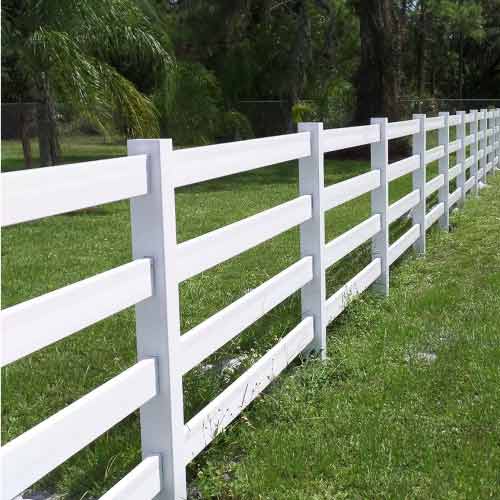
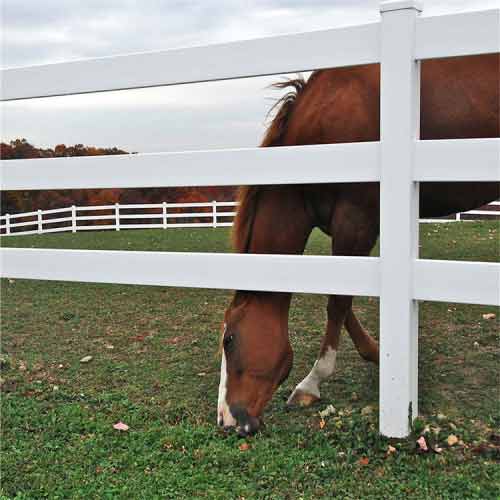
Split rail fences provide effective garden boundary definition while
creating wildlife-friendly landscapes that support biodiversity, pollinator
populations, and natural ecological processes increasingly valued by
environmentally conscious gardeners. Unlike solid panel fencing that creates
complete barriers blocking wildlife movement, split rail construction maintains
visual and physical permeability that allows beneficial creatures to access
garden spaces while still providing containment for pets and protection from
larger wildlife. The rustic aesthetic of split rail construction harmonizes with
naturalized garden designs, complementing native plantings and naturalistic
landscaping styles that have grown increasingly popular among homeowners seeking
to create ecologically responsible outdoor spaces. Understanding the specific
ways split rail fencing supports wildlife-friendly gardening helps designers
create landscapes that balance human use with ecological function.
The open construction of split rail fences permits passage for small
mammals, reptiles, amphibians, and invertebrates that provide essential
ecological services within garden ecosystems. Pollinators including bees,
butterflies, and hummingbirds navigate through rail gaps to access flowering
plants, while predatory insects and spiders use fence structures as hunting
perches and overwintering sites. Ground-nesting bees and other pollinators may
nest in the soil near fence bases, benefiting from the warm microclimate created
by fence structures. Small mammals like chipmunks and mice use fence lines as
travel corridors, providing rodent control services while serving as prey for
hawks and owls that hunt along fence alignments. This wildlife activity creates
dynamic garden ecosystems that outperform sterile, wildlife-excluded
alternatives in both ecological function and human enjoyment.
Beyond permeability, split rail fences support wildlife through integration
with native plantings and habitat enhancement features that transform boundaries
into productive habitat corridors. Native climbing vines planted at fence bases
provide additional wildlife food and cover while softening the rustic fence
appearance with living vegetation. Bird boxes and bat houses mounted on fence
posts increase cavity-nesting opportunities, while insect hotels tucked near
fence bases provide native bee nesting habitat. The weathered wood of aging
split rails develops natural checking and weathering that creates insect habitat
and promotes colonization by beneficial organisms. Strategic placement of split
rail fences to connect fragmented habitat patches creates wildlife corridors
that support species movement through developed landscapes, contributing to
regional conservation objectives while enhancing individual garden
properties.
Previous article:
Why Split Rail Fences Are the Top Choice for Equestrian Properties
Next article:
Split Rail Fence Accessibility Features