Cost-effectiveness of Fencing Materials in Damp Climates
Release time:2025-07-11 Click:51
The cost-effectiveness of fencing materials in damp climates is a theme of great relevance. In addition to factoring in things like the fence’s purpose and aesthetics, the climate plays a key role in determining the type of fencing that can provide the most bang for your buck. Damp climates, in particular, present a unique set of challenges for fences and thus require careful consideration of the material used.
In damp climates, certain materials may deteriorate faster than they would in drier environments. Wooden fences, for instance, need specific treatments to resist moisture and prevent rotting. Over time, the costs of these treatments, as well as the potential need for earlier replacement of the fencing, could add up significantly. Therefore, while wooden fences can be comparatively more cost-effective upfront, they can turn out to be pricier in the long run when used in damp climates.
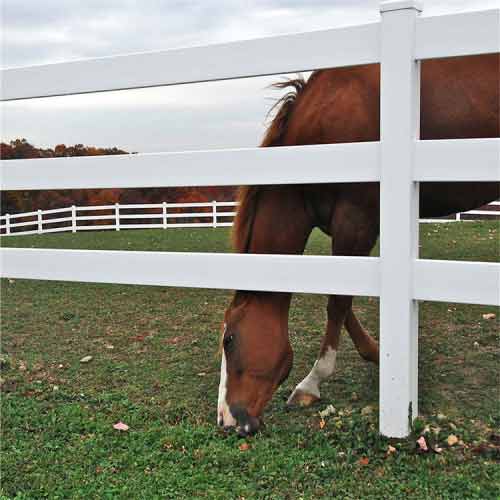
On the other hand, materials like vinyl or metal might have higher initial costs but prove to be more cost-effective over time in damp climates. These materials are typically more resistant to moisture and therefore less likely to degrade quickly in such conditions. Additionally, they tend to require less maintenance, which can translate to significant savings over time.
Taking all of these considerations into account, the cost-effectiveness of fencing materials in damp climates often comes down to striking a balance between upfront costs, long-term durability, and ongoing maintenance requirements. This delicate balance is critical for ensuring that the fence not only serves its intended purpose effectively but also remains economically viable over its lifespan.
Previous article:How to Build a Chain Wire Fencing
Next article:Benefits of Chain Wire Fencing for Various Applications
Hot products
Mobile: +86 15097722953
Email:metalproducts2021@163.com
Email:1755383270@qq.com