Environmental Impact and Sustainability of Fence Materials under Extreme Weather Conditions
Release time:2025-06-13 Click:35
When determining the ideal fence material for areas with severe weather, one must not neglect the environmental impact and sustainability of the selected materials under extreme weather conditions. This aspect of the decision-making process carries immense importance, particularly in our age of increasing environmental awareness and escalating climate challenges.
Fences tend to undergo significant stress in parts of the world that experience extreme weather. Furthermore, the need for replacement or repair in such areas can lead to an increase in consumption of resources. Hence, the environment may suffer a costly impact if the materials used are not sustainable.
Different materials possess variances not only in their durability during harsh weather but also in their environmental impact. Metal fences might be exceptionally durable and require minimal maintenance, but their production often demands substantial energy and contributes to carbon emissions. Wood fences may degrade quicker, especially in damp or extremely cold conditions, but unlike metal, wood is a renewable resource.
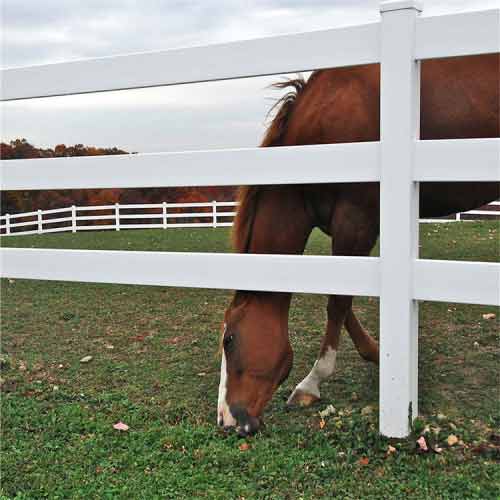
Plastic or vinyl fences prove to be a compelling option, presenting both durability and minimal maintenance, but the production process for such materials can have significant environmental drawbacks, and non-recyclability often causes issues at the end of these fences’ lives.
Including the environmental impact and sustainability in the decision-making process when selecting a fence material exacerbates the complexity of the choice. A balance must be found between durability, cost, maintenance needs, and environmental impact. Ultimately, an understanding of the advantages and disadvantages of each material under extreme weather conditions can lead to a well-informed and environmentally responsible decision.
Previous article:Cost-Effectiveness of Fence Materials in Severe Weather Areas
Next article:What fence material is best for areas with severe weather?
Hot products
Mobile: +86 15097722953
Email:metalproducts2021@163.com
Email:1755383270@qq.com